 |
|
|
P-39 Airacobra World War 2 Military Fighter Airplane Models, Plastic and Wood Aircraft Model Kits.
Plastic & Wooden Model Airplanes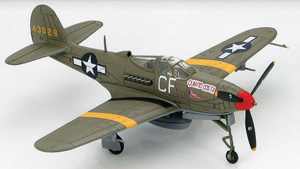
P-39 Airacobra section.
of the World War 2 Fighter Model Department.
in the YellowAirplane store.
|
P-39 Airacobra World War 2 Military Fighter Airplane Models, Plastic and Wood Aircraft Model Kits.Plastic & Wooden Model Airplanes |
||
|
|
You are in the
P-39 Airacobra section. of the World War 2 Fighter Model Department. in the YellowAirplane store. |
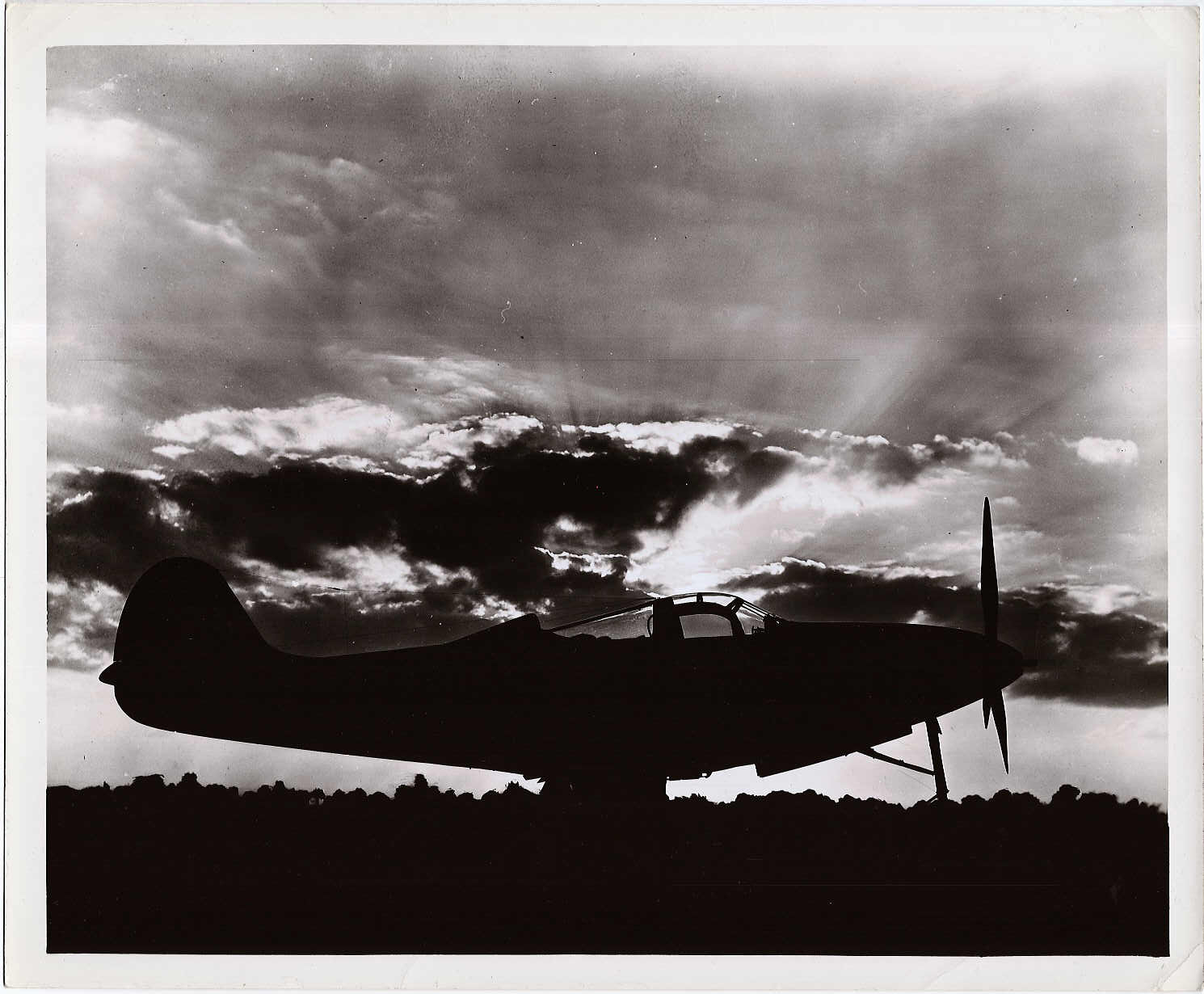
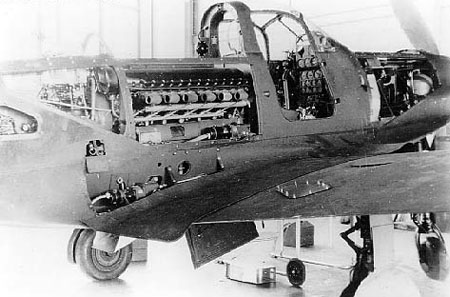
Plastic and Wooden P-39 Airacobra and P-400 Airacobra WW2 Military Fighter Aircraft Models, Wood and Plastic Kits Here Now P-39 Airacobra Specifications.The Bell Aircraft P-39 Airacobra has a wingspan of 34 Feet a wing area of 213 Sq. Feet, it is 30 Feet 2 Inches long,12 Feet 5 Inches high, has an empty weight of 5,645 Pounds, a gross weight of 8,300 Pounds. The P-39 uses a Allison V-1710-85 engine which is Liquid Cooled V-12 with 1,325 HP The airplanes top speed is 360 MPH At 15,000 Feet MSL and has a service ceiling of 35,000 Feet MSL. There was one huge problem with the P-39 Airacobra, and that was that there was a door to get into the canopy. When the plane was in flight, the air pressure on the door was so great that a pilot could not open the door to jump out if he need to. A huge design error. Also, the Airacobra had a mid engine and it didn't handle properly, as reported by many pilots. Read more at the bottom of the page, this is a great story which follows. Information thanks to Roy Seher, Hello Jeff, Just want to correct a misconception. You have a description of the P-39 and state that the slip stream pressure on the doors of the P-39 made it impossible for the pilot to open them and bail out. The design was called an oversight or design mistake. Not true!Just want you to know that there was a red emergency handle (or lever) on each side of the cockpit fastened above and in line with the door hinges. When the red lever was pulled down the door hinge pins were extracted and then the slip stream easily whipped the door away. With either door gone the pilot need only roll out onto the wing and be swept away -- under the tail (horizontal elevator). With a door gone it was probably the easiest of all fighters to bail from. Certainly far safer than bailing from the highly prized P-51. There are many versions of this plane, these specs cover only one version.
P-39 Airacobra Art and Gifts
P-39 Airacobra
Books
P-39 Airacobra Diecast Models
P-39 Plastic and
Wood Models |

|
| Jet Fighters | WWII Fighters | WWI Fighters | Guitars | Ships |
| Jet Fighters | WWII Fighters | WWI Fighters | Guitars | Ships | Tanks | Motorcycles |
P-39 Airacobra Diecast Models Here
P-39 Airacobra Fighter Aircraft Models
|
|
|
Plastic Cements Plastic Paints
P-39Q/N Airacobra 1/48 Kit
P-39D
Airacobra 1/32 Scale Model iPhones, Cell Phones, Mobile Phones, GPS
|
|
|
P-39 Airacobra Everything
|
|
The most successful use of the P-39 in World War II was in the hands of the Soviet Air Force, which nicknamed the Airacobra "Kobrushka" (dear little cobra). Another nickname was The Flying Dog.

| ||
|
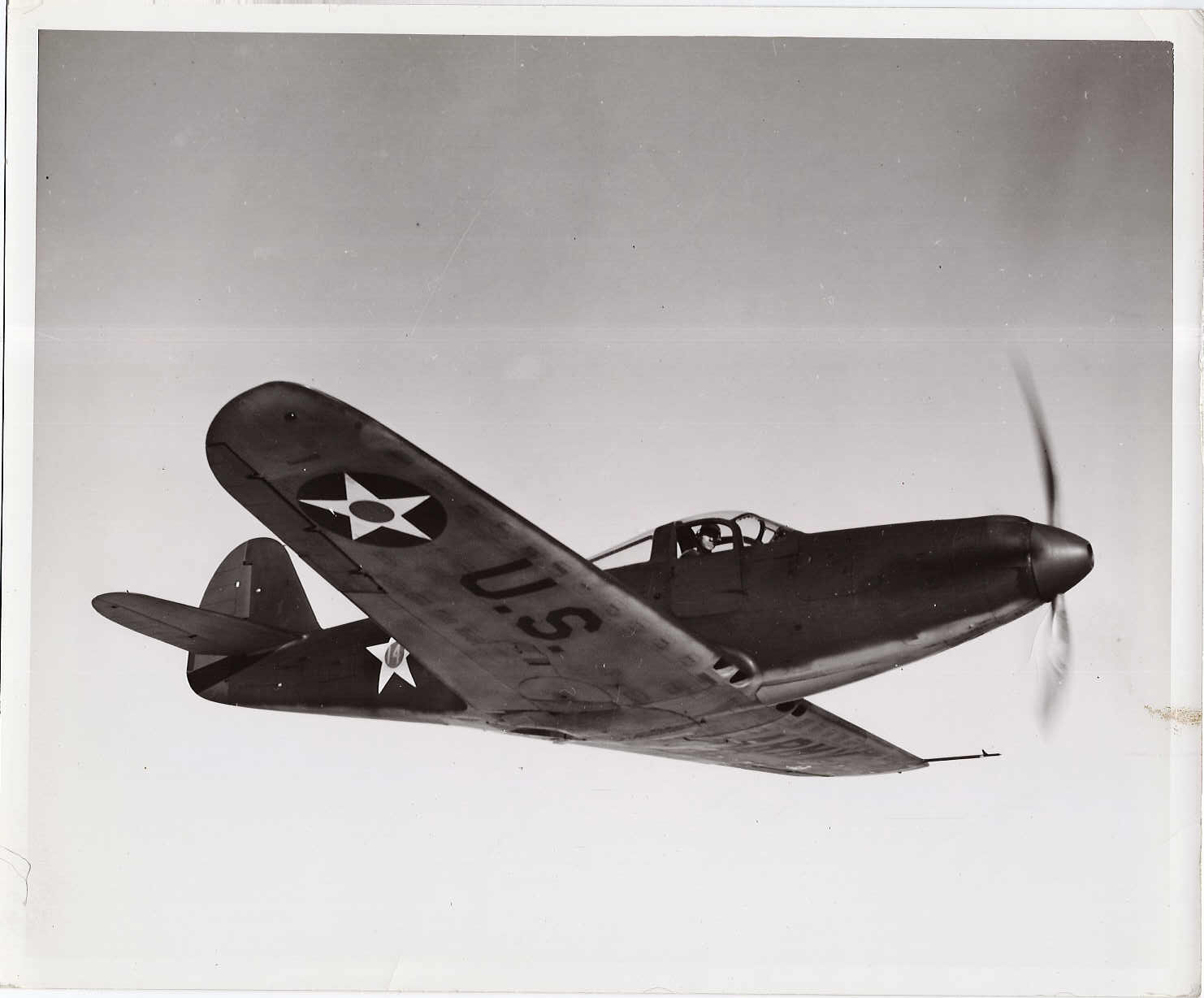
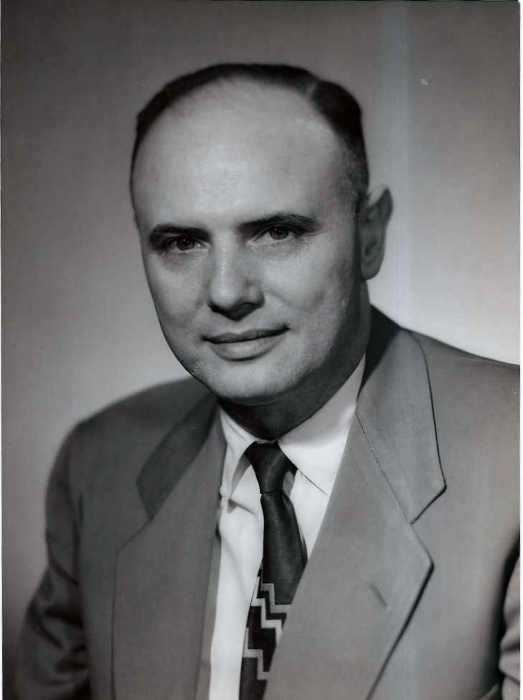
My name is Cole Cooper. My father worked at Bell Aircraft during WWII as a structural engineer and I have a few pictures of the original, prior to combat Airacobras in flight testing with their serial numbers. I am willing to send these to you via email, if you are interested. There will be no charge for you to use them in any fashion you may see fit. Dear Cole,
Dad was an avid camper and airplane designer and builder (models). He was
very smart in electronics, too. He would design and build his own transformers
for specific applications. Circuit boards weren't invented yet, so he wired all
his things himself. He built the house we grew up in to withstand 400 MPH winds.
(We always made that joke). He loved HO trains and dabbled in them. He drove us
across country in a 1956 Pontiac Chieftain pulling a trailer. (Gas wars were the
thing then. I remember 0.01 per gallon of regular in Arizona). I miss him,
Cole. |
|
Continued from Roy Seher at the top of the page.
Hello Jeff, If my authority is correct, if it can be called an authority, is that I was a Crew Chief on P-39s in the 39th Fighter Squadron. The 39th was the first USAAF squadron to be equipped with the P-39 Airacobra (at Selfridge Field in early 1941) and I speculate this was done since the number of the squadron and airplane model number coincide. The 39th took them overseas and into combat at Port Moresby, New Guinea in mid-May of 1942. I was made very aware of those emergency door release levers when one of our pilots, shot up and on fire, pulled the levers down and the doors would not go. Long after the war Gene Rehrer gave me a personal
account of his frantic effort to get rid of at least one door and bail out.
Gene said that with both release levers pulled fully down he banged the
doors with knees and elbows. Nothing! It was getting hot so he released
his seat belt/shoulder straps so that he could put more power into his
slamming against the doors. Nothing! Suddenly the plane flipped into an
up-side down flat spin and he was now pinned into the top of the
I've said far more than I intended and I'm out of breath! Roy |
|
P-39 History Snippets The Bell P-39 Airacobra is shown in profile over a combat strip of the period. "Short Stroke" operated from Fighter 2, an airstrip west of Henderson Field on Guadalcanal during 1942 and 1943. It was flown by the pilots of the 347th Fighter Group, 13th Air Force. The most successful use of the P-39 in World War II was in the hands of the Soviet Air Force, which nicknamed the Airacobra "Kobrushka" (dear little cobra). flown in the 1946 Thompson Trophy race, and Old Crow, the first of World War II ace "Bud" Anderson's aircraft to bear that name. intended for service in North Africa, the P-39 "Devastating Devil" - wearing a sand-colored camouflage scheme - instead joined the 46th Fighter Squadron, 15th Fighter Group, at its home base on Makin Island in the Pacific Theater in 1943. lend-lease P-39N flown by 9th Guards Fighter Division commanding officer Aleksandr Pokryshkin - three-time Hero of the Soviet Union recipient who recorded 48 of his 59 victories flying an "Iron Dog," as the Soviets called the Airacobra - in 1944 Airacobra Mk.I - the P-39 variant modified for export to Britain - flown by 601 "County of London" Squadron, Royal Air Force, in 1941, "Devastating Devil" - a P-39Q intended for service in North Africa that instead joined the 46th Fighter Squadron, 15th Fighter Group, at its home base on Makin Island in the Pacific Theater in 1943 Saga Boy II, the P-39Q flown by 357th Fighter Group Commander Lt. Col. Edwin S. Chickering while training in California in 1943 P-400 Airacobra that flew with the Cactus Air Force at Guadalcanal in 1942 one of the three P-400s - a modified export version of the P-39 originally intended for British service - flown by the 347th Fighter Group in the defense of Guadalcanal's Henderson Field on September 14, 1942, Based on the land-based P-39 Airacobra, the Bell XFL Airabonita was an experimental shipboard interceptor developed for the U.S. Navy in 1940. USAAF's 8th Fighter Group based in New Guinea during 1942 51st Fighter Group, 1943, North Africa; "Devastating Devil," 15th Fighter Group, 1943, Pacific Theater; and "Hells Bells," 347th Fighter Group, 1942) Snooks 2nd, the P-39Q flown by 8-victory ace Lt. Col. William Shomo of the 82nd Tactical Reconnaissance Squadron, 71st Tactical Reconnaissance Group, stationed in the Southwest Pacific in 1944 P-39Qs flown by Lt. "Bud" Anderson and Lt. Col. Edwin Chickering of the 357th Fighter Group and the P-39N flown by Lt. Bill Fiedler of the 347th Fighter Group |
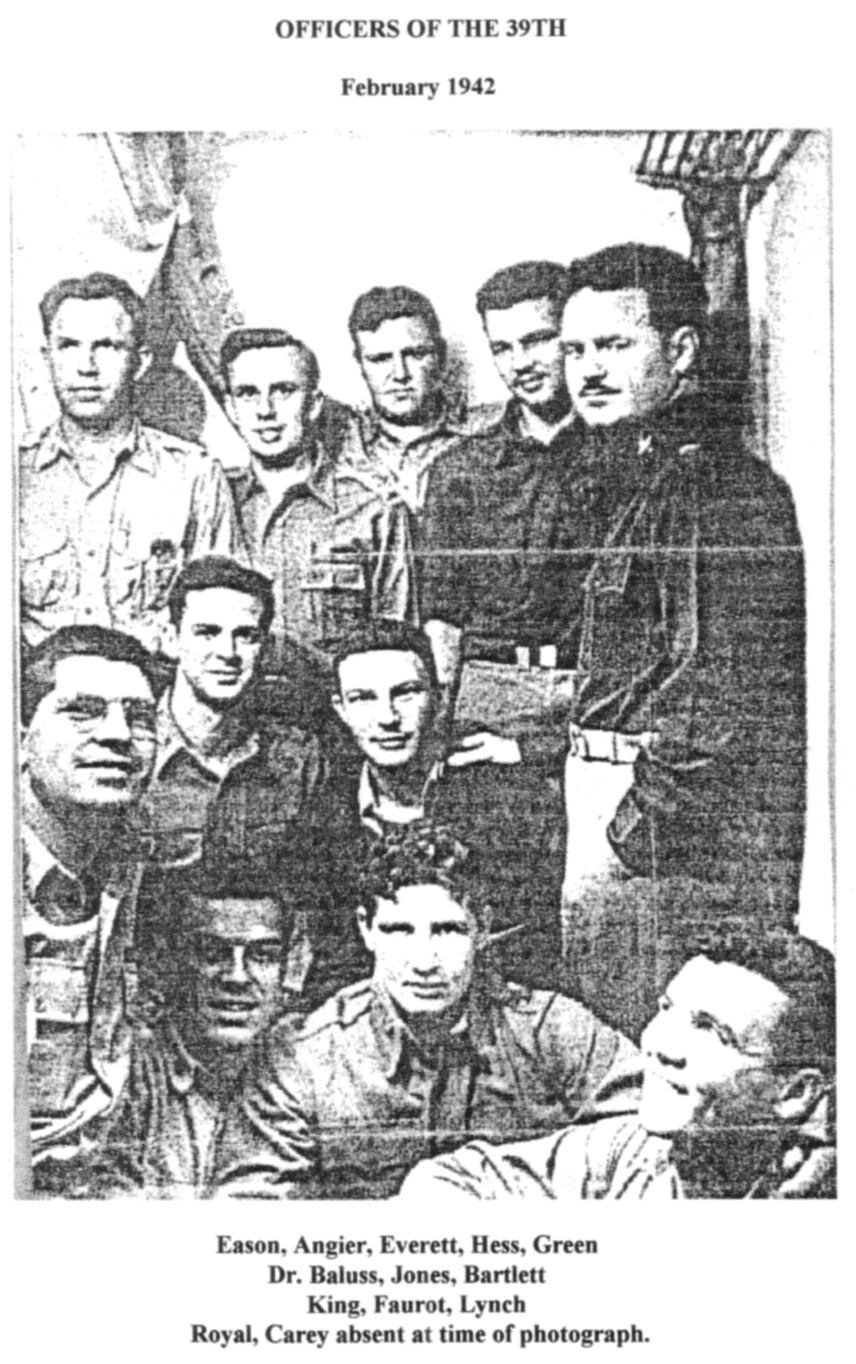
Eason, Angier, Everett, Hess, Green
Dr. Baluss, Jones, Bartlett
King, Faurot, Lynch,
Royal, Carey
(
) ( Model Airplanes
)


Copyright Dates:
10-21-10 11-13-2010 10-26-2011 10-18-2012 06-03-2015
| . |